
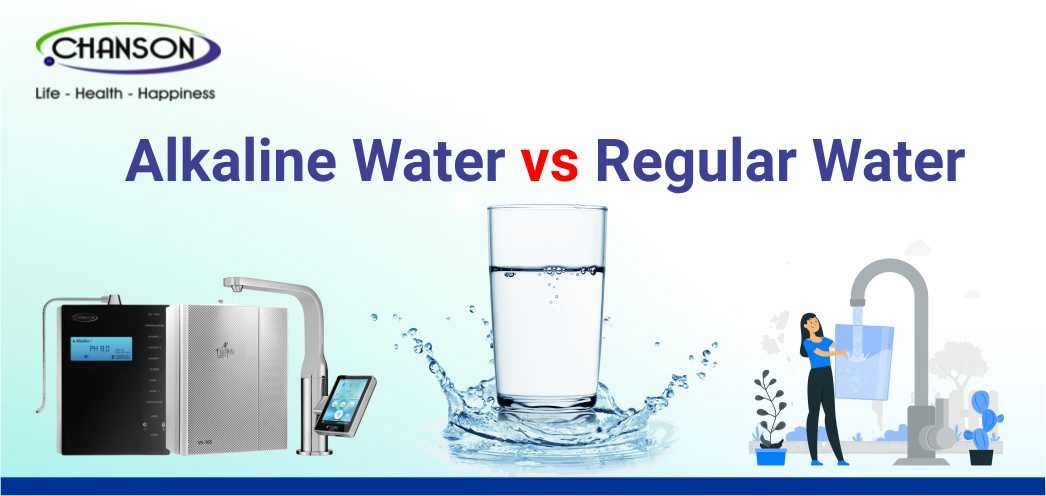
Alkaline Water vs. Regular Water: Key Differences & Benefits
What's Actually Different (and Does It Matter)?
Water is essential to life, but when it comes to choosing the best type of water, there's more than just "tap vs. bottled." In recent years, alkaline water has risen in popularity, touted as a health miracle that can do everything from improving hydration to balancing your body’s pH. But is it really all it’s cracked up to be? And how does it compare to regular water, the everyday staple we’ve always relied on?
In this guide, we’ll compare alkaline water vs regular water, explain what’s the difference between alkaline and regular water, explore alkaline water vs normal water, and help you understand whether alkaline water is better than regular water for your lifestyle and hydration needs.
What Is Alkaline Water?
Quick Answer: Alkaline water is water with a pH level above 7 — typically between 8 and 9.5 — due to the presence of dissolved minerals like calcium, magnesium, and potassium.
The pH scale runs from 0 (highly acidic) to 14 (highly alkaline), with 7 being neutral. Regular drinking water sits at a neutral pH of around 7. Alkaline water is simply water that registers higher on that scale.
Alkaline water comes in two forms:
Naturally alkaline: Water that passes through mineral-rich rocks (like limestone or granite), picking up alkaline minerals along the way. Natural springs are the most common source.
Artificially alkaline: Water processed through a water ionizer, which uses electrolysis to separate water into acidic and alkaline streams, raising the pH. It may also carry a negative oxidation-reduction potential (ORP) — a measure of its antioxidant capacity.
ORP Explained: ORP (oxidation-reduction potential) measures how strongly water can act as an antioxidant. Ionized alkaline water typically has a negative ORP, meaning it may help neutralize free radicals in the body. Regular water generally has a neutral or slightly positive ORP.
Read More: What is alkaline Water?
Alkaline Water vs Regular Water: What's the Difference?
What Is Regular Water?
Regular water includes tap water, filtered water, bottled water, and spring water. It usually has a neutral pH of around 7 and provides effective hydration for daily health.
Depending on the source, regular water may contain small amounts of minerals such as calcium, sodium, and magnesium. Filtered water systems mainly focus on removing contaminants like chlorine, bacteria, and heavy metals.
Regular water remains the most affordable, accessible, and scientifically studied hydration option.
Key Differences Between Alkaline Water and Regular Water
Understanding what’s the difference between alkaline water and regular water can help you make a smarter hydration choice. When comparing alkaline water vs normal water, the biggest differences include pH level, mineral content, filtration process, taste, and potential health benefits.
1. pH Level
The biggest difference between alkaline water and regular water is the pH level.
Regular water: around pH 7
Alkaline water: pH 8–9.5
Because alkaline water is less acidic, some people believe it may help balance acidity caused by diet and lifestyle habits.
2. Mineral Content
Alkaline water usually contains higher levels of minerals like:
Calcium
Magnesium
Potassium
These minerals support hydration, muscle function, electrolyte balance, and bone health.
Regular water may also contain minerals, but the amount depends on the source and filtration method.
3. Antioxidant Properties (ORP)
One major difference is ORP (oxidation-reduction potential). Ionized alkaline water often has a negative ORP, which may help neutralize free radicals and reduce oxidative stress.
Regular water generally has a neutral or slightly positive ORP and does not typically offer antioxidant properties.
4. Taste and Mouthfeel
Many people describe alkaline water as smoother, softer, or cleaner-tasting compared to regular water. The added minerals can create a more refreshing taste profile, while regular tap water may sometimes have a chlorine or metallic aftertaste depending on local treatment systems.
5. Filtration Process
Regular water filters mainly focus on removing contaminants such as chlorine, bacteria, and heavy metals. Alkaline water systems go a step further by adding minerals or using electrolysis to increase the water’s pH level.
Health Benefits of Alkaline Water (Evidence-Based)
One of the main reasons people choose alkaline water is its potential health benefits of alkaline water. While research is still evolving, some studies suggest alkaline water may support hydration, mineral intake, and acid reflux relief. However, many health claims still require more scientific evidence.
1. Improved Hydration
Some research suggests alkaline water may support hydration, especially after intense physical activity. Because alkaline water contains minerals and electrolytes such as calcium, magnesium, and potassium, some people feel it helps them stay refreshed longer.
That said, hydration depends far more on how much water you drink daily than the water’s pH level.
2. Acid Reflux Support
One of the most studied health benefits of alkaline water is its potential effect on acid reflux. Research suggests that alkaline water with a pH of 8.8 may help deactivate pepsin—the enzyme linked to acid reflux symptoms and heartburn.
People with GERD or acidity issues may find alkaline water soothing, although it should not replace professional medical treatment.
3. Potential Antioxidant Properties
Ionized alkaline water often carries a negative ORP (oxidation-reduction potential), which may help neutralize free radicals and reduce oxidative stress.
While laboratory studies show promising antioxidant activity, more large-scale human research is needed to confirm long-term health benefits.
4. Mineral Support for Overall Wellness
Alkaline water naturally contains minerals like calcium, magnesium, and potassium, which support:
bone health
muscle function
electrolyte balance
healthy hydration
These minerals may provide additional wellness support for people who do not get enough through diet alone.
5. Bone Health Support
Alkaline water often contains essential minerals such as calcium and magnesium, which play an important role in maintaining strong bones, muscle function, and overall wellness. Regular intake of mineral-rich water may help support bone health alongside a balanced diet and healthy lifestyle.
6. Immune System and Antioxidant Support
Staying properly hydrated is important for maintaining overall immune function and supporting the body’s natural recovery processes. Ionized alkaline water may also have antioxidant properties due to its negative ORP (oxidation-reduction potential), which could help reduce oxidative stress caused by free radicals.
While early research is promising, more scientific studies are needed to fully understand the long-term immune-related benefits of alkaline water.
7. Important Note About Body pH
Although alkaline water has a higher pH level, the human body naturally regulates blood pH through the kidneys and lungs. Drinking alkaline water is unlikely to significantly change blood pH in healthy individuals.
Health Benefits of Regular Water
Regular water may not receive as much attention as alkaline water, but it remains one of the most important foundations of overall health. Whether it’s tap water, filtered water, or spring water, staying properly hydrated supports nearly every function in the body.
1. Essential Hydration
Regular water is essential for maintaining healthy hydration levels and supporting key bodily functions, including:
temperature regulation
circulation
nutrient transport
joint lubrication
waste removal
Proper hydration also supports energy levels, physical performance, and overall wellness throughout the day.
2. Supports Digestion and Kidney Function
Water plays a vital role in digestion by helping break down food and improving nutrient absorption. It also supports the kidneys and liver in naturally removing waste and toxins from the body.
Drinking enough water may also help reduce the risk of dehydration-related issues such as constipation, urinary tract infections, and kidney stones.
3. Supports Kidney Function
Proper water intake helps the kidneys filter waste and remove toxins through urine. Staying hydrated may also help reduce the risk of kidney stones and support overall urinary health.
4. Helps Maintain Electrolyte Balance
Depending on the source, regular water may naturally contain minerals such as calcium, sodium, and magnesium, which support:
muscle function
nerve signaling
fluid balance
overall hydration
5. Supports Brain Function and Energy Levels
Even mild dehydration can affect concentration, mood, memory, and energy levels. Drinking enough water throughout the day helps support mental clarity, focus, and cognitive performance.
Alkaline Water vs. Spring Water vs. Mineral Water
Many people researching alkaline water vs spring water or alkaline water vs mineral water are often confused because all three contain minerals. However, they differ in pH levels, source, filtration methods, and mineral composition.
Spring Water: Sourced from a natural underground spring where water flows to the surface. It contains naturally occurring minerals, generally has a pH close to neutral (6.5–7.5), and is minimally processed. It's prized for its natural purity and crisp taste.
Mineral Water: Legally required to have a stable, consistent mineral composition from a protected underground source. Richer in dissolved solids (TDS) than most spring waters. Its pH can vary but is often mildly alkaline due to naturally occurring bicarbonates.
Alkaline Water: Either naturally alkaline (from mineral springs) or artificially produced through ionization or mineral addition. Distinguished by a consistently higher pH (8–9.5) and, in the case of ionized water, a negative ORP.
Quick comparison: If you want pure, natural hydration with some minerals — spring water. If you want consistent mineral content — mineral water. If you want higher pH and potential antioxidant properties — alkaline water.
Does Alkaline Water Taste Different?
Many people comparing alkaline water vs regular water often ask: does alkaline water taste different? In most cases, yes. Alkaline water is commonly described as having a smoother, softer, or "silkier" mouthfeel compared to regular water. This is largely due to its higher mineral content. Some people find naturally alkaline water (from springs) more pleasant, while artificially ionized alkaline water can occasionally taste slightly flat or metallic.
Regular water can sometimes have a chlorine aftertaste (from municipal tap water) or a slightly mineral edge, depending on the source.
Alkaline Filter vs. Regular Filter: What's the Difference?
When comparing an alkaline filter vs regular filter, the biggest difference is functionality. Regular water filters focus on removing contaminants, while alkaline water filters also increase pH levels and add beneficial minerals back into the water.
An alkaline water filter or water ionizer goes further: it not only filters contaminants but actively adjusts the water's pH through mineral addition or electrolysis, raising it to the 8–9.5 range.
Which to choose?
If your goal is clean, safe drinking water → a quality regular filter is sufficient.
If you want the added benefits of higher pH, negative ORP, and mineral content → an alkaline water ionizer (like Chanson's systems) is the better investment.
Is Alkaline Water Right for You?
Whether alkaline water is right for you depends on your lifestyle and health goals. If you experience acidity, acid reflux, or want mineral-rich hydration, alkaline water may be beneficial due to its higher pH and added minerals like calcium and magnesium.
Athletes and active individuals may also prefer alkaline water for hydration and recovery support. Many people also enjoy its smoother taste compared to regular water.
However, regular water is still an excellent choice for everyday hydration and overall wellness. The most important thing is drinking enough clean water daily.
Choosing the Right Alkaline Water Machine
1. Advanced Filtration
Choose a machine that removes chlorine, bacteria, and heavy metals while adding healthy minerals.
2. Adjustable pH Levels
Look for a system that allows you to customize the water’s pH level.
3. Easy Maintenance
Pick a machine with simple filter replacement and low maintenance requirements.
4. Certified Quality
Always choose a certified alkaline water machine that meets water safety and quality standards.
Final ThoughtsWhen comparing alkaline water vs. regular water, both options support healthy hydration, but they offer different benefits. Regular water remains the most affordable and accessible choice for daily hydration, while alkaline water may provide additional mineral support, smoother taste, and potential benefits for acid reflux and recovery.
Rather than focusing only on pH level, it’s more important to choose clean, safe, high-quality drinking water that fits your lifestyle and helps you stay properly hydrated every day.
8. FREQUENTLY ASKED QUESTIONS (FAQ)
Q1: What’s the difference between alkaline water and regular water?
The primary difference is pH level. Regular water has a neutral pH of around 7, while alkaline water has a higher pH of 8–9.5. Alkaline water also typically contains higher levels of minerals like calcium, magnesium, and potassium, and ionized alkaline water carries a negative ORP (oxidation-reduction potential), which may give it antioxidant properties.
Q2: Is alkaline water better than regular water?
For most healthy people, regular water hydrates just as effectively as alkaline water. However, alkaline water may offer specific benefits — particularly for people with acid reflux (GERD), athletes looking for faster post-workout recovery, or those wanting additional mineral intake. It is not universally "better," but it may be beneficial in specific situations.
Q3: Does alkaline water taste different from regular water?
Yes. Most people describe alkaline water as having a smoother, softer, or silkier taste compared to regular water. This is largely due to its higher mineral content. Some find ionized alkaline water slightly flat, while naturally alkaline spring water tends to taste crisp and clean.
Q4: Can drinking alkaline water change your body's pH?
No — not significantly. Your body's blood pH is tightly regulated between 7.35 and 7.45 by your kidneys and lungs, regardless of what you eat or drink. Alkaline water may temporarily influence the pH of your saliva or urine, but it won't alter your blood pH in healthy individuals.
Q5: What is the difference between alkaline water and spring water?
Spring water comes from a natural underground source and has a near-neutral pH (6.5–7.5), with naturally occurring minerals. Alkaline water has a higher pH (8–9.5), either from naturally mineral-rich springs or through artificial ionization. Both contain beneficial minerals, but alkaline water has a consistently higher pH and may carry antioxidant properties.
Latest Blog
-
20 Jun 2026
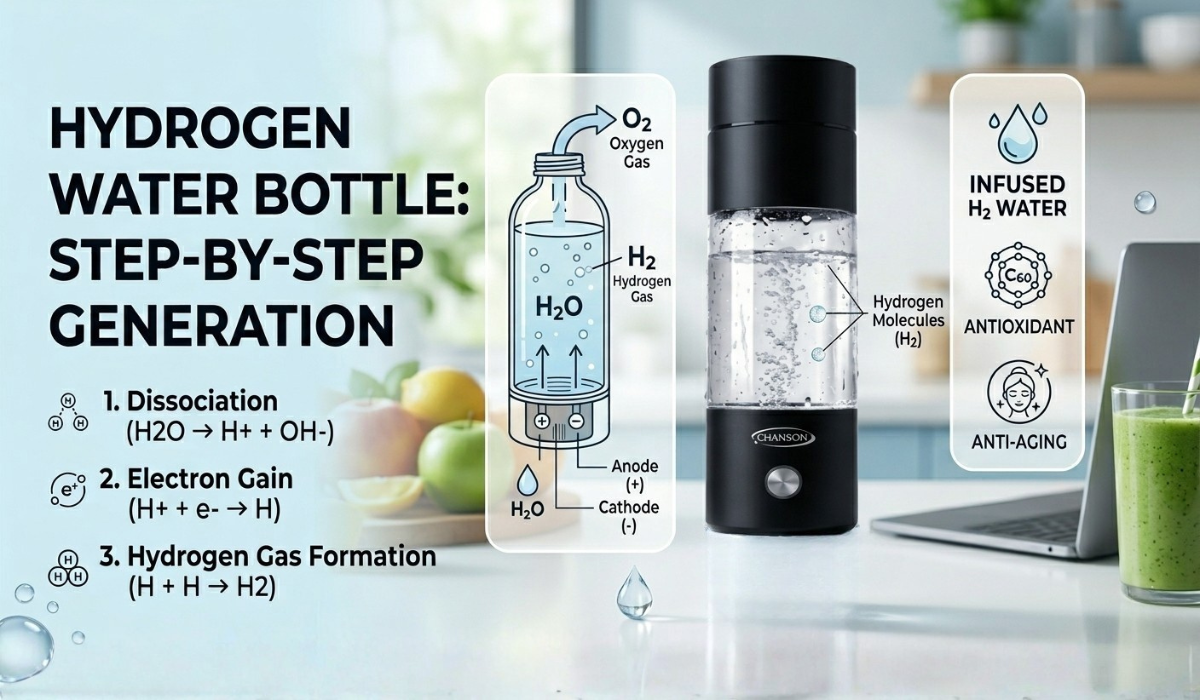
How Does a Hydrogen Water Bottle Generator Work? A Complete Beginner's Guide -

16 May 2026
What Are the Health Benefits of Using a Kangen Water Machine? -
02 May 2026
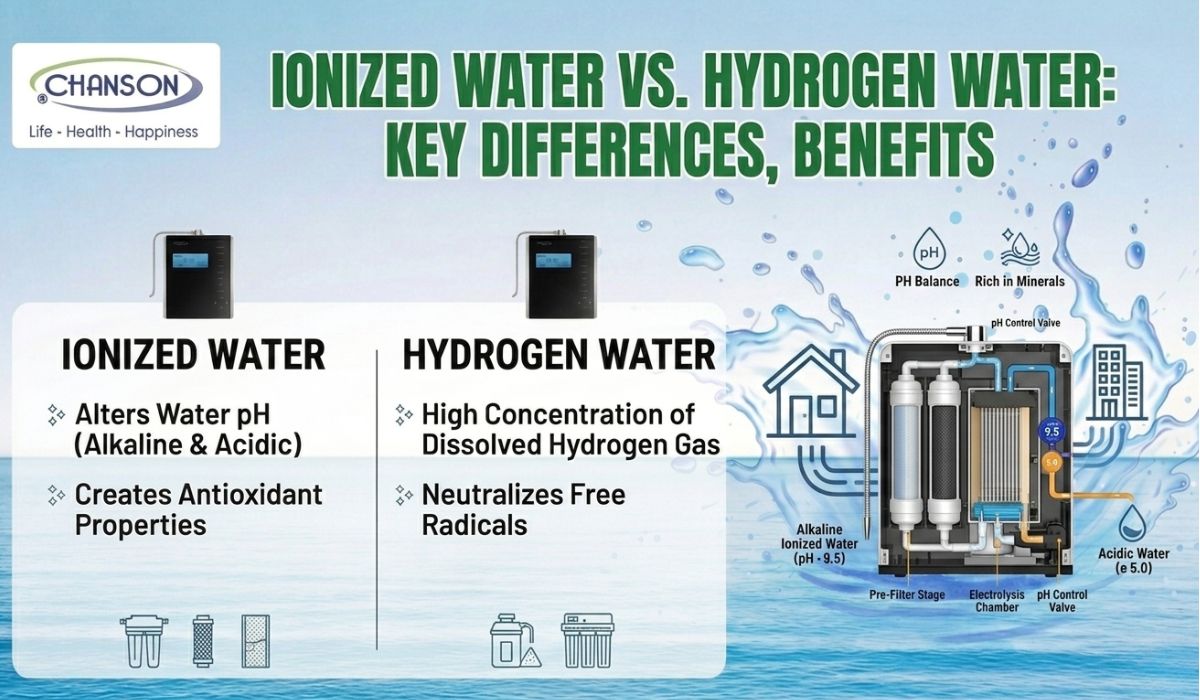
Ionized Water vs. Hydrogen Water: Key Differences, Benefits -
.png)
25 Apr 2026
Water Softener vs Water Filter: What's the Difference? -
24 Apr 2026
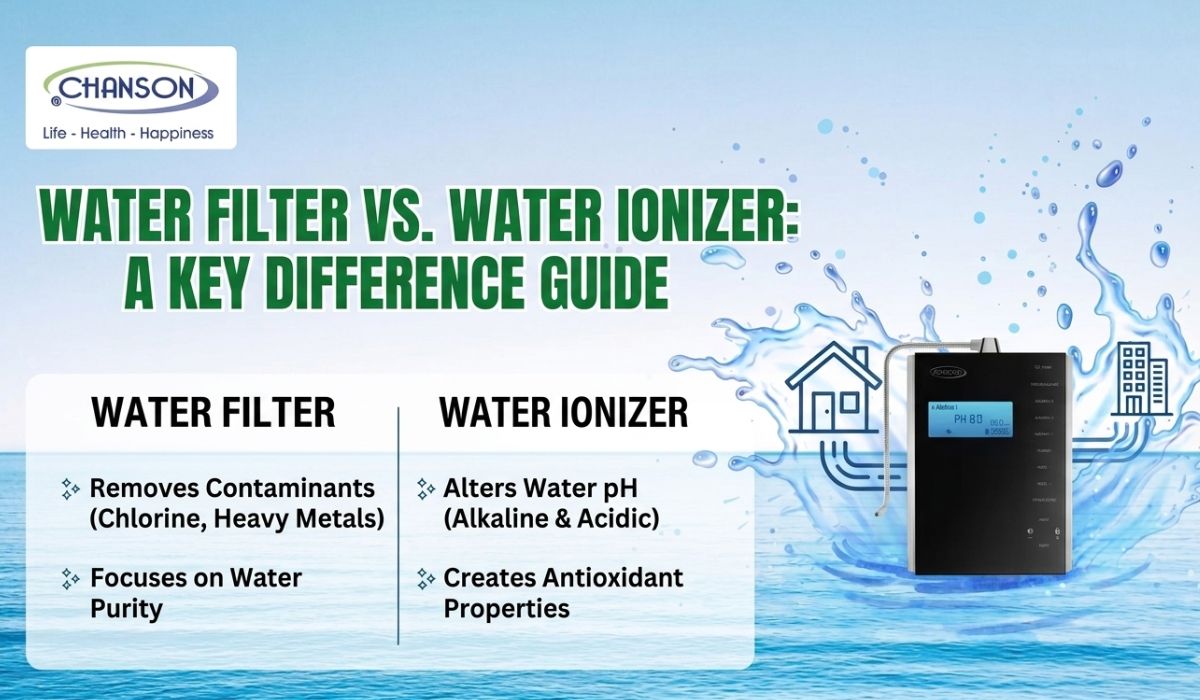
What is the Difference Between a Water Filter and a Water Ionizer? -

21 Apr 2026
Best Water Softener for Homes & Apartments in 2026 (Complete Buying Guide) -
03 Jun 2025
The Benefits of Alkaline Ionized Water During Pregnancy

All Rights Reserved. © 2019-2026, Centrepoint Lifestyle Products Pvt Ltd.
