How Does a Hydrogen Water Bottle Generator Work? A Complete Beginner's Guide
Hydrogen water has moved from niche wellness trend to mainstream conversation — and at the center of it all is one compact gadget: the hydrogen water bottle generator. But how exactly does it transform plain tap water into hydrogen-rich water? And what separates a quality device from a gimmick?
This beginner's guide breaks down every step of the process — the science, the components, and what to look for before you buy.
Quick Answer: How Does a Hydrogen Water Bottle Work?
A hydrogen water bottle generator works on the principle of electrolysis to break down water (H2O) into hydrogen (H2) and oxygen (O2). The integrated SPE/PEM filter helps in dissolving hydrogen into the water and releases oxygen from it. In three to ten minutes, the consumer can get healthy hydrogen-rich water, free of any chemical components.
What Is a Hydrogen Water Bottle Generator?
A hydrogen water bottle generator is a portable device equipped with electrochemical technology that adds dissolved hydrogen to drinking water molecules. This piece of equipment is different from a regular water bottle, as it changes the chemical composition of the water in question by adding dissolved hydrogen — expressed in parts per million (PPM).
Also Read: Hydrogen Water And Its Benefits
Here are the differences:
High-end versions of hydrogen generators use SPE/PEM technology and provide pure H₂ for water without the production of contaminants such as ozone or chlorine compounds.
What is Molecular Hydrogen (H₂)?
Molecular hydrogen is the smallest and lightest molecule that exists — composed of two hydrogen atoms bonded together (H₂). Due to the small size of molecular hydrogen, it is capable of passing through the walls of cells with ease compared to other molecules.
If dissolved in water, molecular hydrogen does not alter its taste or odor in any way. Further scientific research is still investigating the health benefits of hydrogenated water as an antioxidant, but this is still inconclusive. However, what we know for sure is the science involved in its production, which is known as electrolysis.
How Does a Hydrogen Water Bottle Generator Work? (Step-by-Step)
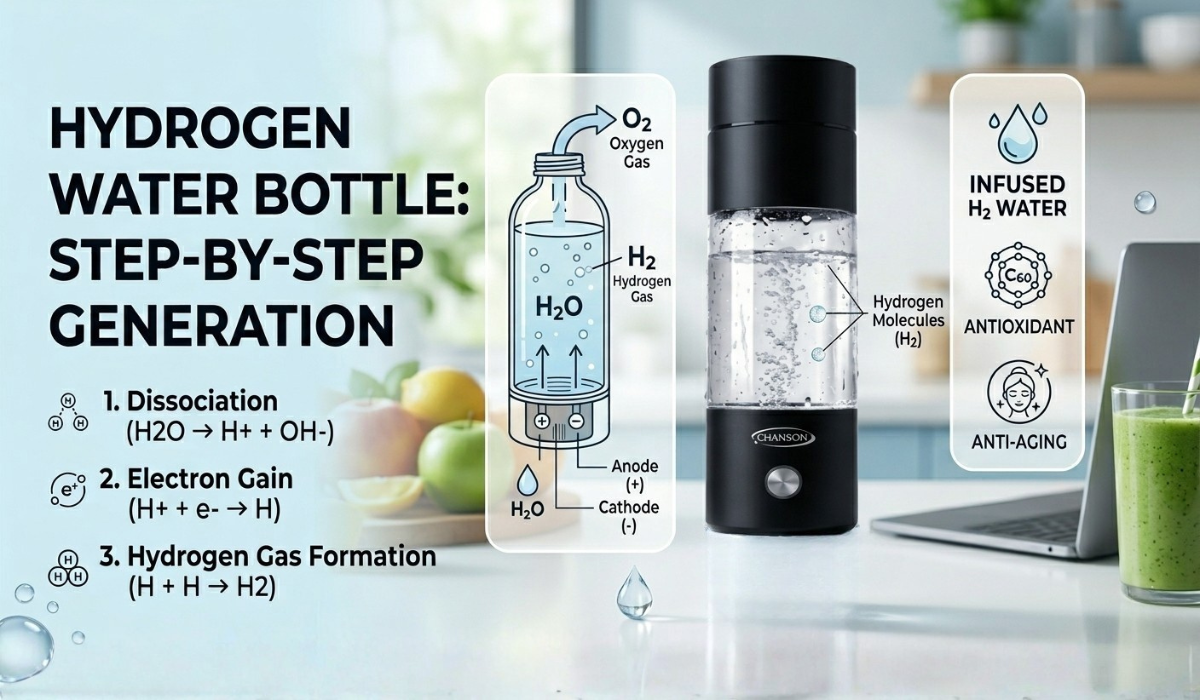
Hydrogen water generators produce hydrogen-rich water by breaking down water molecules through electrolysis into hydrogen and oxygen. The latest models make use of SPE or PEM technology that allows you to create hydrogen water enriched with pure molecular hydrogen while discharging oxygen. Here is precisely how it works.
Step 1: Electrolysis - Decomposition of Water Into Hydrogen and Oxygen
Once you hit the switch to activate your hydrogen water bottle generator, an electric charge starts flowing through the water thanks to two platinum-titanium alloy electrodes. This electrolytic process splits water molecules into their elemental components.
The chemical formula for this reaction is:
2H₂O → 2H₂ + O₂
With two molecules of water yielding two molecules of hydrogen and one molecule of oxygen, the cathode electrode produces hydrogen and the anode electrode oxygen. Both gases would just combine back in the water without a special membrane, however.
Step 2: Step 2: Separation of Hydrogen From Oxygen Through SPE/PEM Technology
This is arguably the most crucial step to differentiate a superior hydrogen water generator from a low-end device.
SPE (Solid Polymer Electrolyte) is an electrical conductor that takes the place of electrolyte liquids in this case. The PEM (Proton Exchange Membrane) technology is a thin layer that works as a selective filter allowing H⁺ protons (hydrogen ions) to pass through.
Here is how it makes a difference:
The oxygen produced at the anode end will be kept out of the drinking zone.
No harmful substances such as O₃ ozone or chlorine gas can pass through this filter and get into your water.
Hydrogen molecules are formed on the side of drinking water exclusively.
Without SPE/PEM technology, electrolysis can introduce ozone or chlorine into the water — particularly in tap water with trace minerals. That is why premium hydrogen water bottles specifically use this membrane system to guarantee safe, clean output.
Step 3: Hydrogen Is Pressurized and Introduced to the Water
Hydrogen gas naturally resists dissolving in water at atmospheric pressure. Left to its own devices, nearly all the H₂ generated would bubble up and escape into the air before ever being absorbed into the liquid. To prevent this, quality hydrogen water generators use a sealed, pressure-controlled chamber.
As hydrogen accumulates inside the sealed bottle, internal pressure builds. This pressure forces the H₂ molecules into the water, dramatically increasing the dissolved hydrogen concentration measured in PPM (parts per million).
This is why:
High-quality hydrogen water machines produce 1.0 to 3.0+ PPM of hydrogen
Cheap, open-cup designs with no sealed chamber deliver barely detectable H₂ levels
Time cycle (3 vs. 5 vs. 10 minutes) affects PPM output
The best hydrogen water machine models allow multiple generation cycles to further increase PPM before drinking.
Step 4: Oxygen Is Released While Hydrogen Stays Dissolved
When hydrogen is being added to your drinking water under pressure, the oxygen that is produced through electrolysis in the anode must be released somewhere else. A good quality hydrogen water bottle machine comes with a designated oxygen vent that releases the oxygen from the system.
As a result of this venting process, the oxygen gas does not get added to the water once again and pressure buildup in the bottle is avoided. This results in the dissolution of molecular hydrogen in your drinking water only.
Step 5: Your Glass of Hydrogen Rich Water is Ready for Drinking
Depending on the model, the generation cycle takes between 3 and 10 minutes. Once complete, most devices signal readiness via an LED indicator or automatic shutoff.
For the best results, drink the hydrogen water immediately after generation. Dissolved hydrogen is highly volatile — because H₂ molecules are so small, they begin escaping through the bottle walls and lid seal the moment generation stops. Concentration degrades noticeably within 30–60 minutes if left open.
Ongoing research into the benefits of hydrogen-rich water remains active, particularly around antioxidant activity and exercise recovery. While results are promising, most studies are early-stage — so approach any health claims critically and consult a healthcare professional if using hydrogen water for a specific condition.
How Long Does Hydrogen Stay in Water?
Bottom line: Always drink from a portable hydrogen water bottle right after the cycle completes. Don't prepare it hours in advance.
Also Read: Ionized Water vs. Hydrogen Water
What's Inside a Hydrogen Water Bottle Generator?
How to Use a Hydrogen Water Bottle Correctly
Use clean, filtered water - Never distilled (very pure, thus less effective during electrolysis) and chlorine-heavy tap water
Ensure that the lid is sealed fully before use — critical for generating necessary pressure
Press the activation button and wait for the generation cycle to complete (3–10 min)
Drink immediately once the indicator light signals completion
Rinse the bottle after each use to prevent mineral buildup on electrodes
Run a cleaning cycle weekly using the manufacturer's recommended method
Things to Avoid When Making Hydrogen Water
Using warm water: Warm water increases hydrogen release and may destroy the PEM membrane. It is advisable always to use room temperature or cold water.
Leaving water too long before drinking: After completion of the process, hydrogen is released very fast. Waiting for hours makes no sense at all when making hydrogen-rich water using the generator.
Poor electrode maintenance: Mineral accumulation on the electrode lowers efficiency. Use diluted citric acid to clean electrodes.
Using sugary or flavored drinks: This affects efficiency through clogging the membrane and reducing electrode efficiency. They void most warranties as these products should be used with water only.
Overcharging the battery: Like most lithium-ion devices, leaving your portable hydrogen water bottle on charge overnight repeatedly shortens battery lifespan.
How to Choose the Best Hydrogen Water Machine or Bottle
Before investing in a hydrogen water bottle generator, use this checklist:
✔ Hydrogen concentration (PPM): Ideally should be 1.0 or higher; top-of-the-range products offer 2.0–4.0 PPM
✔ SPE/PEM technology confirmed: Never buy a bottle that doesn't explicitly list this — it's non-negotiable for safety and purity
✔ Battery capacity: Should power at least 5–7 full cycles per charge
✔ Materials used: Only titanium, BPA-free Tritan, or borosilicate glass allowed for the chamber
✔ Capacity: 300–500ml is standard for portable use; larger countertop models vary ✔ Self-cleaning mode: Built-in electrolysis cleaning cycles extend electrode life significantly
✔ Warranty: Reputable brands offer at least 12 months; avoid sellers with no return policy
✔ Certifications: Make sure that the bottle passes CE, RoHS certifications or other independent testing for zero ozone production
Also Explore: Get Your Personal Hydrogen Water Machine
Conclusion
The hydrogen water bottle generator is a highly advanced tool, all in one small package. The main mechanism behind this tool involves the electrolysis process, which means separating water into H2 and O2 elements. In addition, PEM technology guarantees that only molecular hydrogen gets into your water.
Whether you're drawn to hydrogen water for hydration, athletic recovery, or general wellness exploration, the quality of the device you choose determines everything. Prioritize SPE/PEM-certified hydrogen water generators, check the PPM output, and drink promptly after each cycle for maximum benefit.
Compare features carefully before purchasing — the difference between a well-engineered portable hydrogen water bottle and a cheap knock-off comes down to exactly the technology described in this guide.
Frequently Asked Questions
Q: Is it possible to dissolve hydrogen in water?
Yes — under pressure, molecular hydrogen (H₂) dissolves into water just as CO₂ dissolves into carbonated drinks. The SPE/PEM electrolysis process in a hydrogen water bottle generator creates and pressurizes H₂ to achieve measurable dissolved concentrations (PPM).
Q: Are hydrogen water bottles safe?
Quality bottles using SPE/PEM technology are considered safe. They produce hydrogen without ozone or chlorine byproducts. Always verify that the model you purchase explicitly uses PEM membrane technology and food-safe materials.
Q: Is hydrogen water safe to drink every day?
Hydrogen water is water with dissolved H₂ — there are no known toxicological concerns with daily consumption at standard PPM levels. As with any wellness practice, consult your healthcare provider if you have underlying health conditions.
Q: How long does hydrogen stay in water?
Dissolved hydrogen begins escaping immediately after generation. For best results, drink within 10–15 minutes of cycle completion. Hydrogen concentration can drop by 30–50% within an hour if the bottle is open or stored at room temperature.
Q: Can hydrogen water bottles increase pH?
Some models do produce slightly alkaline water (pH 7.5–9) as a byproduct of electrolysis, but this varies by model and water source. A hydrogen water generator is optimized for H₂ infusion — pH change is secondary and inconsistent.
Q: How does a hydrogen power generator work vs. a hydrogen water bottle?
A hydrogen power generator (used in fuel cells) produces large volumes of H₂ gas as an energy source. A hydrogen water bottle generator produces a tiny, controlled amount of dissolved H₂ specifically for drinking — the processes share the same electrolysis chemistry but serve entirely different purposes at vastly different scales.
Q: How do you charge a hydrogen water bottle?
Most modern portable hydrogen water bottles charge via USB-C or micro-USB. Connect to any standard charger (5V/1A minimum), and a full charge typically takes 2–3 hours. Avoid fast-charging if not specified by the manufacturer.
Q: Can I use hot water to make hydrogen water?
No. Hot water accelerates the escape of dissolved hydrogen gas, dramatically reducing the final PPM concentration. It can also damage the PEM membrane over repeated use. Always use room-temperature or cold filtered water in your hydrogen water bottle generator.
Latest Blog
-
21 Sep 2026
Is Your Water Ionizer Truly Medical Grade? (ISO 13485 & FDA Explained) -
14 Sep 2026
The Truth About Water Ionizer Prices: MLM Markups vs. Direct-to-Consumer -
29 Aug 2026
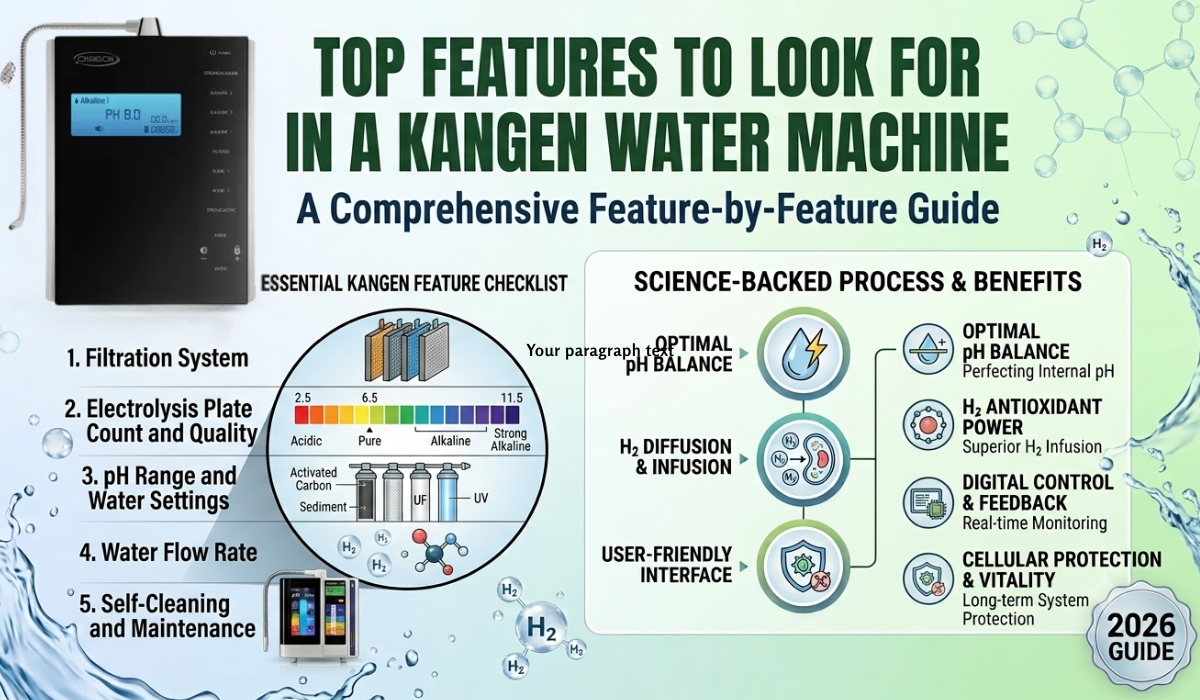
Top Features to Look for in a Kangen Water Machine -
16 Aug 2026
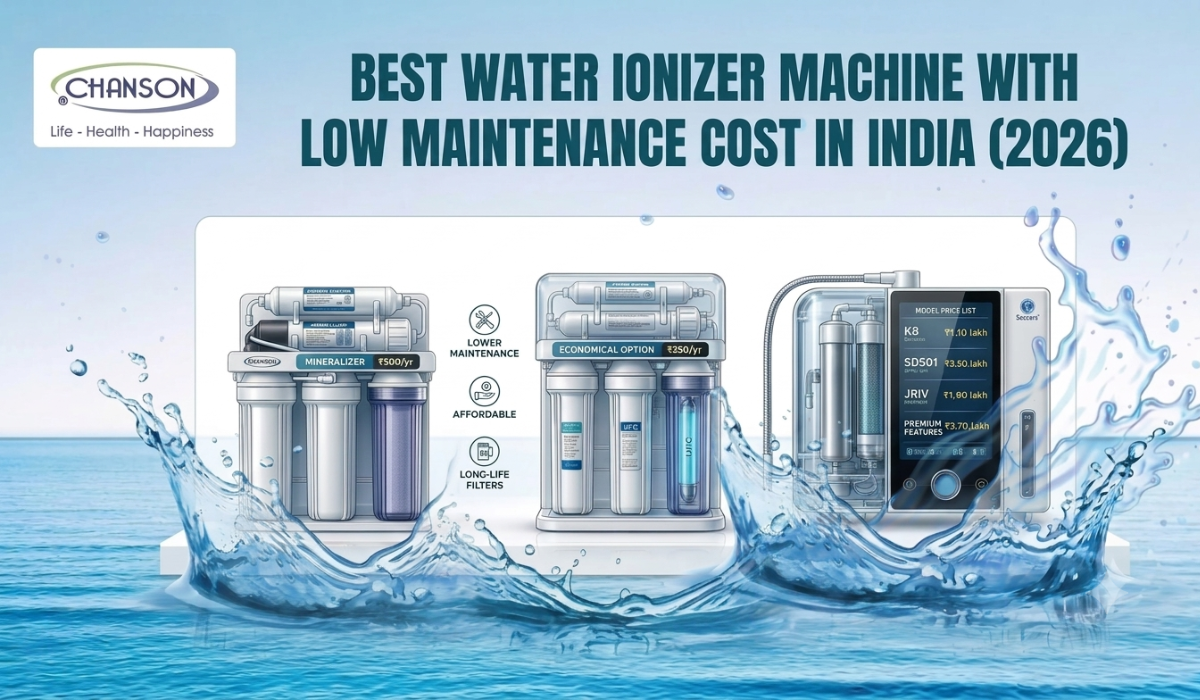
Best Water Ionizers With Low Maintenance Cost in India 2026 -
04 Jul 2026
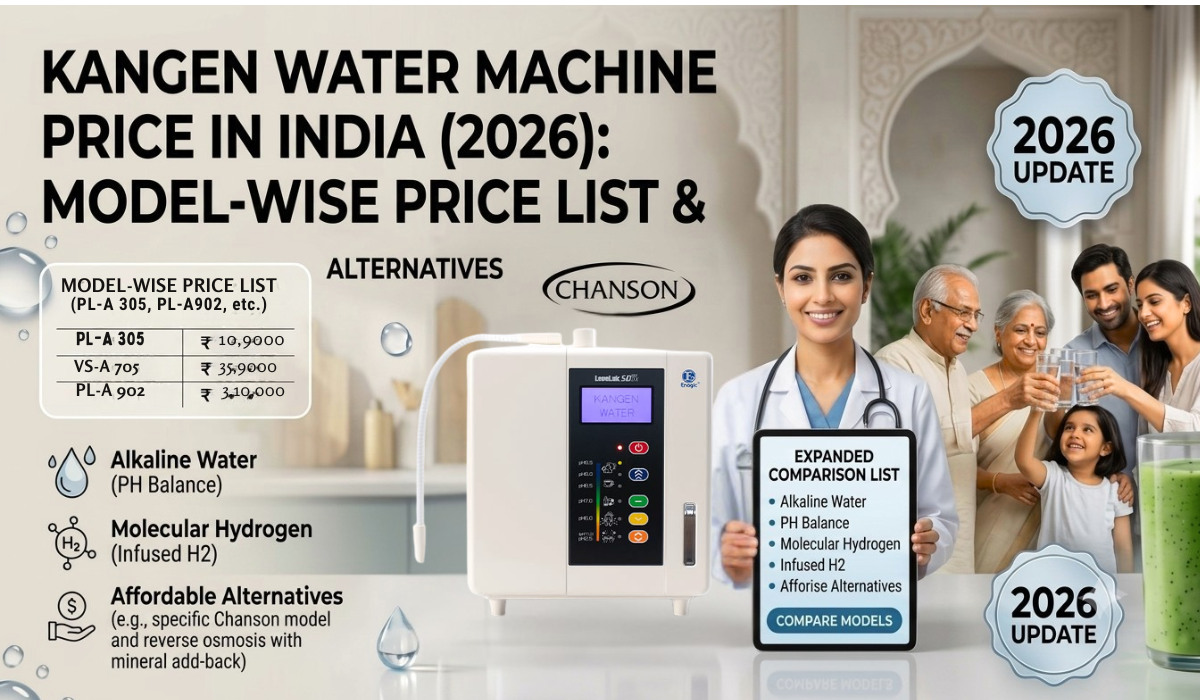
Kangen Water Machine Price in India (2026): Model-Wise Price List, Features & Affordable Alternatives -
20 Jun 2026
How Does a Hydrogen Water Bottle Generator Work? A Complete Beginner's Guide -
16 May 2026
What Are the Health Benefits of Using a Kangen Water Machine?

All Rights Reserved. © 2019-2026, Centrepoint Lifestyle Products Pvt Ltd.
