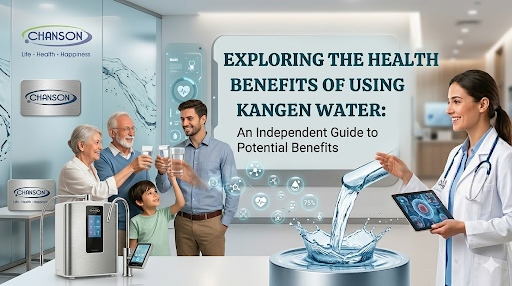
What Are the Health Benefits of Using a Kangen Water Machine?
More households than ever are paying close attention to the quality of the water they drink every day. From unpleasant chlorine odors to concerns about hidden contaminants, people are exploring alternatives that go beyond the standard tap. Alkaline ionized water systems — especially those sold under the Kangen brand — have attracted growing interest from health-conscious consumers, fitness enthusiasts, and families who simply want better-tasting, cleaner water at home.
But what exactly is Kangen water, and are the claimed Kangen water benefits backed by real science, or is this just premium marketing?
This guide takes an honest and balanced look at Kangen water, including what Kangen water is, how it works, and whether Kangen water is good for health based on current research and user experiences. Whether you are exploring it for the first time or comparing options before making a purchase decision, you will find clear and trustworthy information here.
What Is Kangen Water?
Kangen water is a type of alkaline ionized water produced by a specialized machine — commonly referred to as a Kangen water machine — developed by the Japanese company Enagic. The word "Kangen" is derived from Japanese, broadly meaning "return to origin" or "return to source," reflecting the idea of restoring water to a cleaner, more natural state.
For people searching online about Kangen water, the most common questions include what is Kangen water, how does it work, and whether Kangen water benefits are supported by science.
At its core, Kangen water is alkaline drinking water that has undergone a process called electrolysis, which adjusts the water's pH level and alters certain chemical properties. This makes it distinct from ordinary filtered water and is a key reason why many users and wellness communities have embraced it.
About Kangen Water
About Kangen water machines, they connect directly to your home's water supply and run the incoming water through an internal filtration system before passing it through electrolysis plates. During electrolysis, water molecules are separated into two streams: one alkaline (for drinking) and one acidic (for cleaning or other purposes).
The resulting alkaline water typically has a pH between 8.5 and 9.5 for drinking use. It is mineral-rich, meaning the electrolysis process retains beneficial minerals like calcium and magnesium while filtering out impurities. Users often describe the taste as noticeably smoother and lighter compared to regular tap water.
Also Explore: What Is Kangen Water?
Why Are More People Switching to Kangen Water?
The shift toward Kangen water is driven by a combination of practical and lifestyle factors. Many households researching Kangen water benefits are particularly interested in hydration, filtration quality, and reducing dependence on bottled water.
- Dissatisfaction with the taste and odor of standard tap water, especially in areas with heavy chlorination
- Growing focus on hydration and water quality
- Interest in alkaline diets and pH-balanced eating plans
- The appeal of a home filtration system that eliminates dependence on single-use plastic water bottles
- For many households, Kangen water represents both a lifestyle upgrade and a practical solution to water quality frustrations — rather than a purely medical decision.
Is Kangen Water Really Good for Health?
When asking, “Is Kangen water good for health?”, it is important to separate realistic hydration benefits from exaggerated marketing claims. The short version is that some users report meaningful improvements in how they feel and in how much water they drink, while the scientific community continues to study the broader health claims. Whether Kangen water is good for health often depends on individual hydration habits, lifestyle choices, and expectations.
What Supporters of Kangen Water Say
People who use Kangen water regularly often highlight several consistent experiences:
- The water tastes cleaner and smoother, making it easier and more enjoyable to drink
- They find themselves naturally drinking more water throughout the day
- Having an on-demand home filtration and ionization system is convenient and reduces reliance on bottled water
- Some athletes and physically active users report feeling better hydrated during and after workouts
These are personal experiences, and individual results will naturally vary.
What Research Says About Alkaline Water
Scientific research on alkaline water and ionized water is still evolving, and it is important to approach the topic with appropriate nuance:
- Some studies have explored potential hydration-related benefits of alkaline water, particularly in relation to exercise and acid-base balance
- Research published in peer-reviewed journals has examined the antioxidant properties of electrolyzed reduced water, though findings are often preliminary and require further large-scale study
- No credible scientific consensus positions alkaline water as a cure or treatment for any specific medical condition
Important: Kangen water is not a medical treatment and should not be used to replace prescribed medications or professional healthcare advice. If you have a chronic health condition, consult your doctor before making changes to your hydration routine.
Also Explore: 10 Benefits of Alkaline Water
The Health Benefits of Kangen Water
Rather than presenting a list of dramatic claims, the following benefits reflect what is commonly reported by users and, where relevant, supported by preliminary research. Each is connected to a real-world problem many people face with everyday hydration.
Enhanced Hydration for Daily Wellness
The most commonly discussed Kangen water benefits are generally related to hydration, filtration quality, convenience, and wellness-focused lifestyles. One of the most practical and widely reported benefits of Kangen water is that people tend to drink more of it. Many users find that the smoother, cleaner taste of alkaline ionized water makes it easier to reach their daily hydration goals. For individuals who struggle to drink enough water because they dislike the taste of tap water, a machine that delivers consistently good-tasting water at home can genuinely improve daily intake. This can support better daily hydration habits.
Antioxidant Properties of Ionized Water
One of the more scientifically discussed aspects of Kangen water is its Oxidation Reduction Potential, or ORP. ORP measures a substance's oxidative or antioxidant potential.
Kangen water typically carries a negative ORP, meaning it has antioxidant-leaning properties. Some researchers have explored whether electrolyzed reduced water with negative ORP can help neutralize reactive oxygen species (free radicals) in the body. While this area of research is promising, it is still developing, and it would be premature to make broad anti-aging or disease-prevention claims based on current evidence.
May Help Support a Balanced Wellness Routine
Many people use Kangen water alongside broader wellness habits like balanced eating, exercise, and hydration. While alkaline water does not change the body's natural pH balance, some users feel it complements their overall wellness routine.
Improved Digestion Through Consistent Hydration
Proper hydration supports digestion, nutrient absorption, and regular bowel function. Some Kangen water users report that the smoother taste encourages them to drink more water consistently throughout the day.
Supports a Cleaner, Better-Tasting Drinking Experience
A very practical — and often underappreciated — benefit of Kangen water machines is the filtration they provide. Before electrolysis even occurs, the internal filter helps remove chlorine, sediment, and other common impurities found in municipal tap water. For many households, one of the first noticeable Kangen water benefits is the improved taste and smell of their drinking water.
For households in areas where tap water carries a noticeable chemical taste or odor, this alone can represent a meaningful quality-of-life improvement. Better-tasting water leads to more water consumed, which has a cascade of positive effects on daily health and energy levels.
Hydration Support for Active and Athletic Lifestyles
Staying well-hydrated is one of the most important factors in athletic performance and recovery.
Many fitness enthusiasts and athletes who use Kangen water report that it supports their hydration routine conveniently and effectively. Having a home system means high-quality water is always available before, during, and after training without the need to purchase multiple cases of bottled water. The convenience of having filtered water available at home can support better hydration habits.
Encourages Better Everyday Wellness Habits
Having clean, good-tasting water available throughout the day can encourage healthier hydration habits and reduce dependence on bottled drinks.
Kangen Water vs. Regular Drinking Water
Understanding the difference between regular tap water and Kangen water helps clarify why many people explore Kangen water benefits before investing in a machine.
Note: Features and water quality vary depending on your local water supply, the specific Kangen machine model, and maintenance practices. Always review the specifications of the machine you are considering.
How Does the Kangen Water Machine Work?
People researching what is Kangen water often want to understand how the ionization and filtration process actually works inside the machine.
Filtration and Ionization Process
Kangen water machines use a two-stage process:
- Water from your tap enters the machine and passes through an internal filter, which removes chlorine, sediment, and other common impurities
- The filtered water then flows over a series of electrically charged titanium plates coated with platinum, which conduct the electrolysis process
- During electrolysis, the water is separated into two streams: alkaline ionized water (the drinking water) and acidic water (useful for cleaning or sanitizing purposes)
The key distinction between a Kangen machine and a standard water filter is the electrolysis stage. Standard filters remove impurities but do not change the water's pH or electrical properties. Kangen machines do both.
Understanding pH Levels in Kangen Water
pH is a scale from 0 to 14 that measures how acidic or alkaline a substance is. A pH of 7.0 is neutral, values below 7 are acidic, and values above 7 are alkaline.
Kangen machines typically offer multiple pH settings for different purposes:
- pH 8.5–9.5: Drinking and cooking
- pH 7.0: Neutral water
- pH 4.0–6.0: Skincare and cleaning
- pH 2.5: Surface sanitizing
This multi-setting functionality is one feature that distinguishes Kangen machines from simpler alkaline water pitchers or standard filters.
Also Read: Health Benefits of Alkaline Water Ionizer
Who Uses Kangen Water Machines?
Kangen water machines appeal to a wide range of users. Interest in Kangen water benefits continues to grow among families, athletes, and health-conscious consumers.
Families Looking for Better Drinking Water
Many families invest in Kangen machines primarily for the filtration and taste improvement. Parents who are concerned about the quality of tap water for their children often appreciate having a system that filters out chlorine and other impurities while producing consistently clean-tasting water on demand.
Fitness Enthusiasts and Active Individuals
Athletes and people who exercise regularly tend to prioritize hydration. The convenience of having filtered, alkaline water available at home without needing to stock multiple bottles appeals strongly to active individuals who consume significant amounts of water throughout training and recovery.
Health-Conscious Households
People who follow wellness-focused lifestyles — including those exploring alkaline diets, intermittent fasting, or clean eating — often incorporate Kangen water as part of a broader set of health-positive choices. For these households, Kangen water is one piece of a larger wellness puzzle rather than a standalone solution.
People Concerned About Tap Water Taste and Quality
In many cities and regions, tap water carries noticeable odors, tastes, or concerns about pipe quality and water treatment practices. For households where tap water quality is a daily frustration, a Kangen machine provides a home-based solution that offers both filtration and a meaningful improvement in taste.
Are There Any Risks or Considerations?
A balanced guide to Kangen water would be incomplete without addressing potential risks and important considerations. Being well-informed helps you make the right decision for your health and household.
- Kangen water is not a substitute for medical treatment: If you are managing a health condition, continue working with your healthcare provider. No water product should replace prescribed treatment or medication.
- Excessive alkaline intake may not suit everyone: While moderate consumption of alkaline water is considered safe for most people, drinking extremely high-pH water in large quantities over a prolonged period is not recommended without medical guidance.
- Individuals with kidney conditions should consult their doctor: People with chronic kidney disease or other metabolic conditions should seek medical advice before significantly changing their water intake or pH levels.
- The machine requires regular maintenance: Filter replacements and periodic cleaning are necessary to ensure the machine continues to perform properly and produce safe, clean water.
- Scientific research is still evolving: While there are promising preliminary findings, the long-term health effects of regular alkaline water consumption are not yet comprehensively studied. Approach extraordinary health claims with healthy skepticism.
How to Choose the Right Kangen Water Machine
Enagic offers several Kangen machine models, and choosing the right one depends on your household size, water usage needs, and budget. Here are the key factors to evaluate:
- Filtration quality: Look at what contaminants the internal filter addresses and how frequently it needs to be replaced
- Plate technology: The number and quality of electrolysis plates affect the machine's ionization performance and durability — more plates generally means more consistent performance over time
- pH range and settings: Make sure the machine offers the pH levels you need for your intended uses, from drinking water to cleaning applications
- Household size: Larger households with higher daily water consumption may benefit from a higher-capacity model
- Warranty, maintenance, and customer support: Look for strong manufacturer warranties and clear customer support options, especially given the investment involved
- Water usage needs: If you want alkaline water for drinking only, a simpler model may suffice. If you want multiple pH settings for cooking, skincare, and cleaning, invest in a more versatile machine
Conclusion
Kangen water machines have gained attention for their improved taste, home filtration, and alkaline ionized water properties.. The appeal is both real and understandable — from the noticeably smoother taste that encourages better daily hydration to the convenience of on-demand filtered water that reduces reliance on plastic bottles.
At the same time, it is important to approach the health conversation around Kangen water with balance. The machine is not a medical device, and alkaline water is not a cure-all. What it can do — consistently and practically — is provide clean, great-tasting water that makes healthy hydration easier to sustain as part of a broader wellness lifestyle.
If you are considering a Kangen water machine, evaluate it on the merits that matter most to your household: water quality improvement, taste, filtration performance, ease of use, and long-term value. Consult your healthcare provider if you have any medical conditions that might be affected by changes in your water intake.
For many households, a Kangen water machine can be a practical investment in hydration, convenience, and better-tasting water.
Disclaimer: This article is for informational purposes only and does not constitute medical advice. Always consult a qualified healthcare professional before making decisions related to your health or medical conditions.
Latest Blog
-
21 Sep 2026
Is Your Water Ionizer Truly Medical Grade? (ISO 13485 & FDA Explained) -
14 Sep 2026
The Truth About Water Ionizer Prices: MLM Markups vs. Direct-to-Consumer -
29 Aug 2026
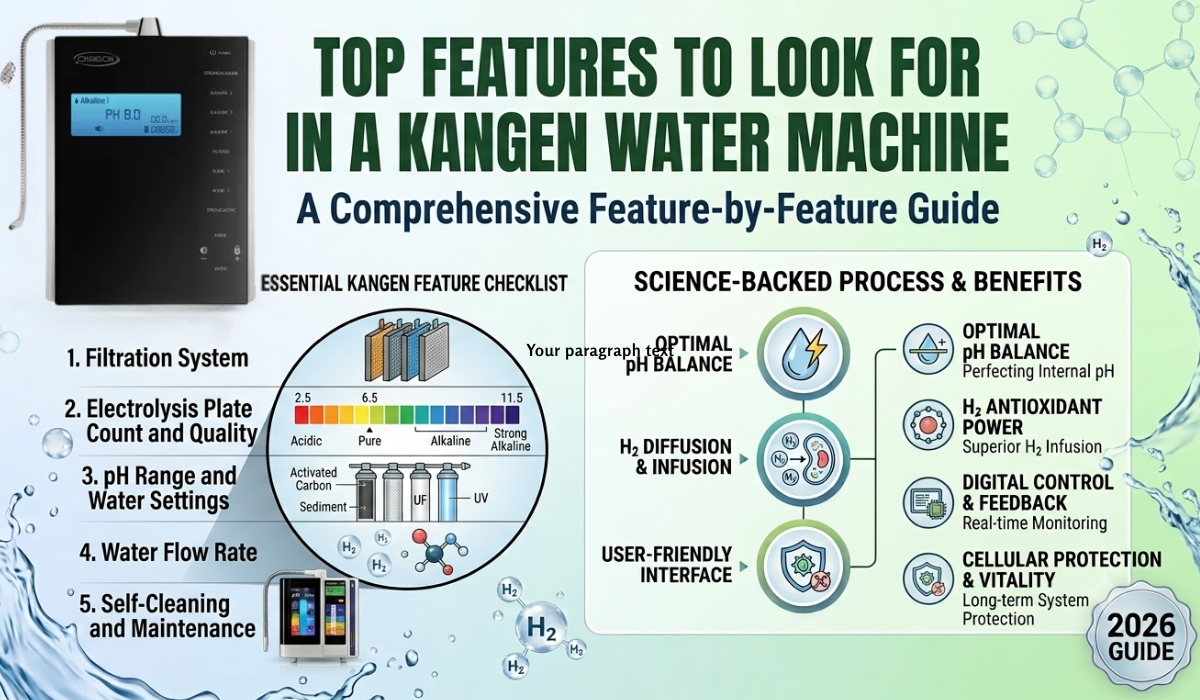
Top Features to Look for in a Kangen Water Machine -
16 Aug 2026
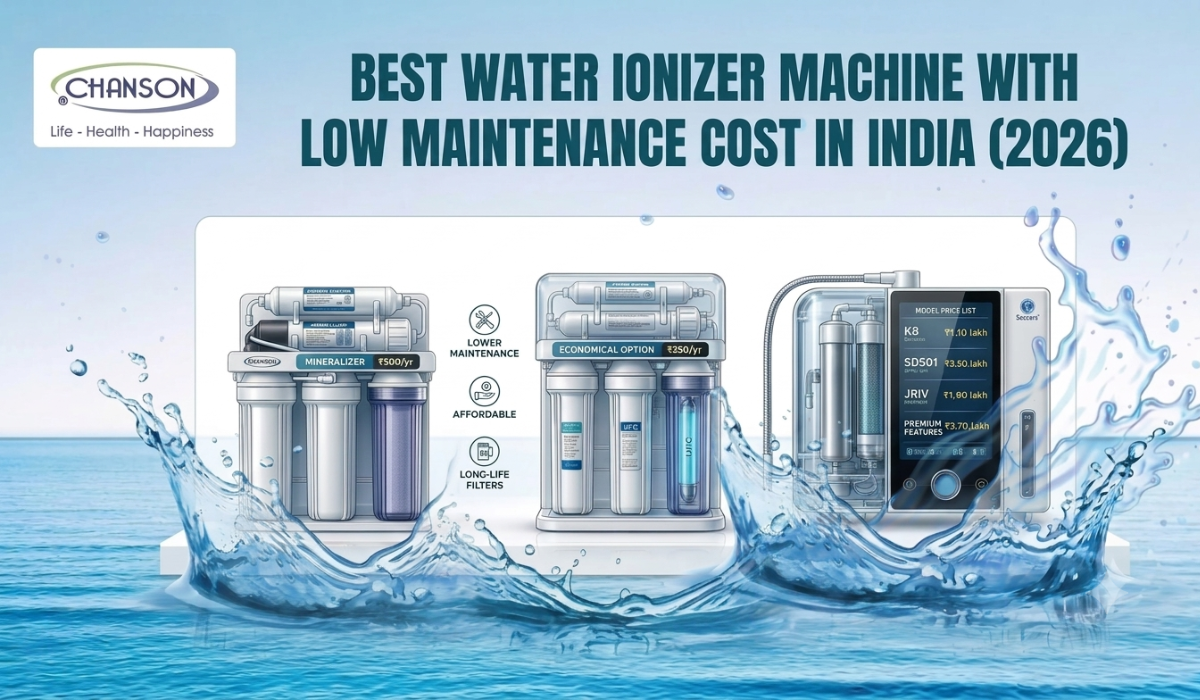
Best Water Ionizers With Low Maintenance Cost in India 2026 -
04 Jul 2026
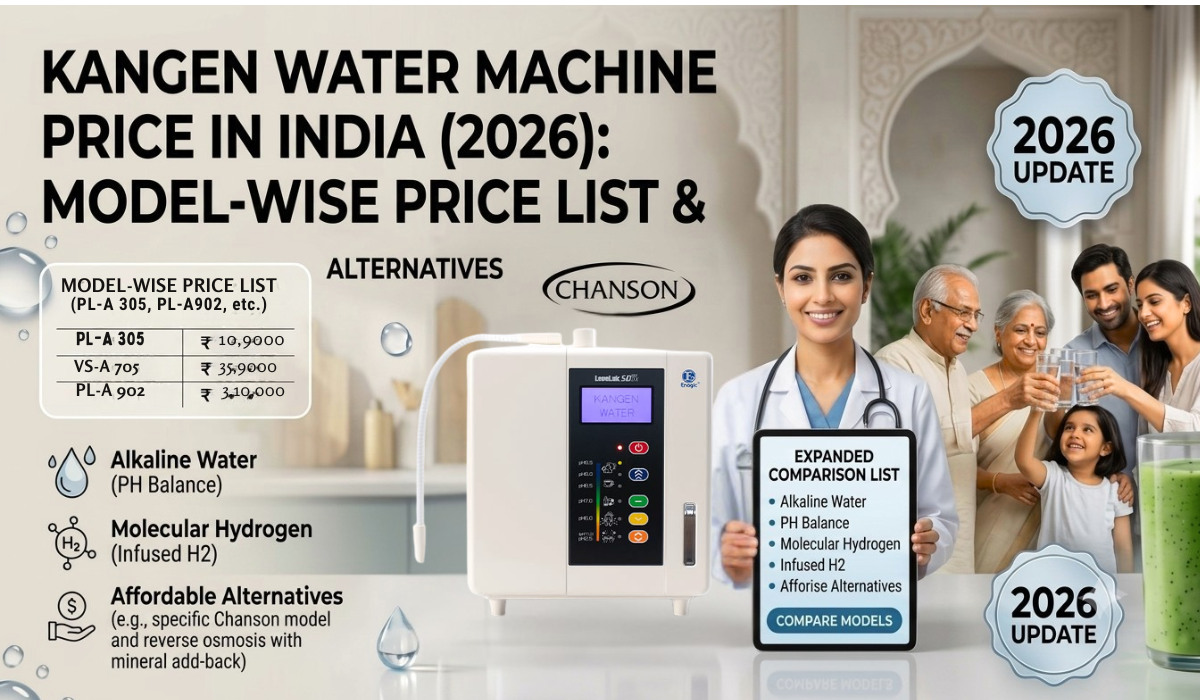
Kangen Water Machine Price in India (2026): Model-Wise Price List, Features & Affordable Alternatives -
20 Jun 2026
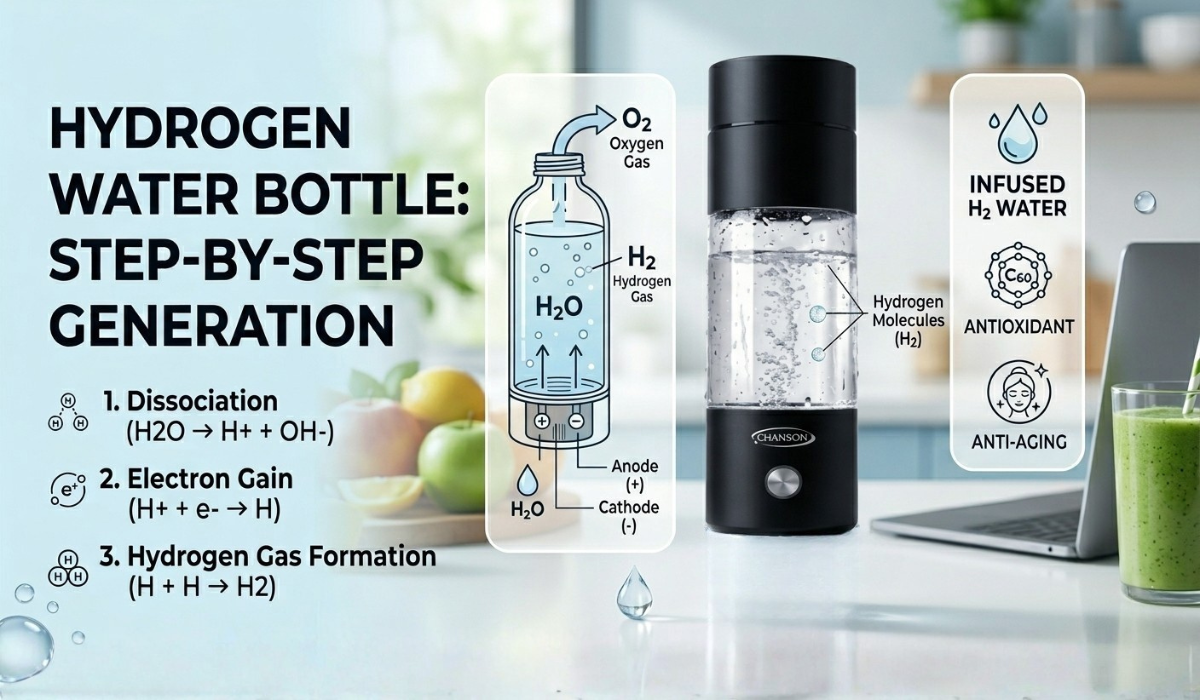
How Does a Hydrogen Water Bottle Generator Work? A Complete Beginner's Guide -
16 May 2026
What Are the Health Benefits of Using a Kangen Water Machine?

All Rights Reserved. © 2019-2026, Centrepoint Lifestyle Products Pvt Ltd.
